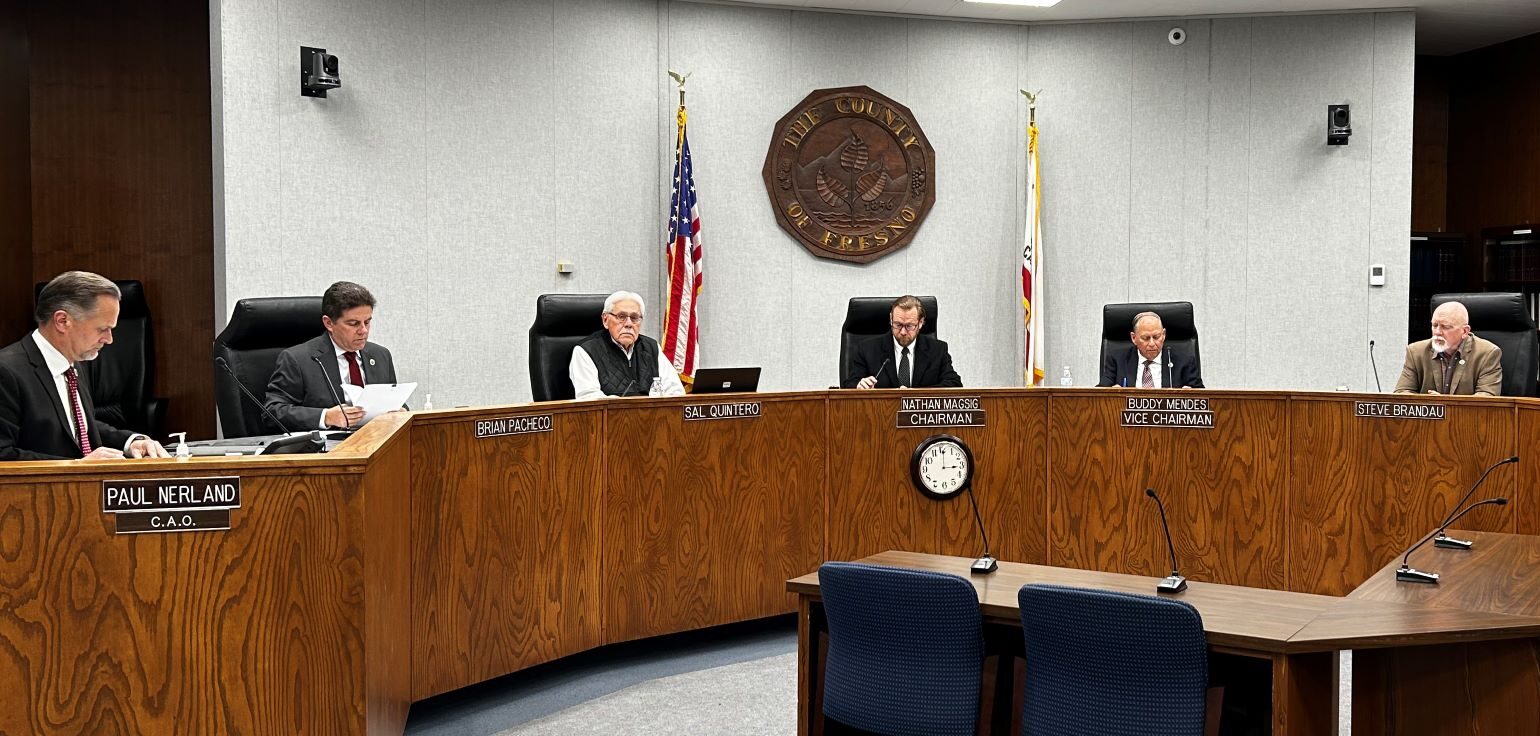
FRESNO, Calif. – On December 20, 2024, the Fresno County Board of Supervisors approved a long-awaited tax sharing agreement with the City of Fresno, closing a four-year gap without a formal partnership. The vote passed 4-1, with Supervisor Nathan Magsig dissenting. This decision follows the City of Fresno’s 6-1 approval of the same agreement on December 13.
The new memorandum of understanding (MOU) seeks to resolve longstanding challenges in property tax revenue sharing, sales tax distribution, and land development coordination—issues central to supporting Fresno County’s ongoing growth and development.
See related article here.
A History of Negotiations
Discussions on tax sharing began in January 2024, building on years of sporadic negotiations since the last agreement expired in 2000. The lack of a formal arrangement over the past two decades led to difficulties in coordinating the planning and development efforts, highlighting the urgency for a comprehensive solution.
Key Provisions of the Tax Sharing Agreement
The approved MOU introduces a framework for equitable revenue distribution and strategic development. Notable terms include:
- Revenue Splits:
- A 51-49 split favoring the city for tax revenue in the Southeast Development Area (SEDA) for non-substantially developed annexations.
- A 60-40 split favoring the county for other non-substantially developed annexations outside of SEDA.
- Timeline Commitments:
- The city must adopt a specific plan for annexation areas within 12 months.
- If it does not meet that, then it reverts to a 60-40 split, favoring the county.
- The city must dismiss its lawsuit against the county’s general plan within 90 days.
- The city must adopt a specific plan for annexation areas within 12 months.
- Infrastructure and Service Adjustments:
- The county retains some responsibilities for service delivery, with potential future shifts.
- Tax allocations to the county will reduce from 5.35% to 5%.
- Duration: The MOU has a 10-year lifespan, with a built-in review process.
Bernard Jimenez of Fresno County Public Works and Planning clarified that substantially developed areas are defined as “improvements equal to or greater than 1.025% of the land’s assessed value.”
Supervisor Perspectives
Supervisor Brian Pacheco, who worked closely with Supervisor Buddy Mendes on the negotiations, was a key contributor to the MOU and a strong advocate for the agreement. He emphasized its importance in fostering regional development and encouraging affordable housing. “This plan protects our highly fertile farm soil in the West and steers growth into designated areas,” he explained, assuring stakeholders that the agreement includes safeguards, such as an “out-clause” to protect the county if the city fails to meet its obligations.
Acknowledging the challenges involved, Pacheco added, “Yes, we gave up 2%. For every percentage point, that is $11,000 for every $100 million. This was tough.” Despite the concessions, he reiterated the agreement’s potential to balance growth, protect county interests, and create opportunities for future development.
In contrast, Supervisor Nathan Magsig voiced concerns over the agreement’s language and financial implications. “The city recognizes that the percentages are being reduced, but this document requires us to deliver the same level of service,” he stated. Magsig also expressed dissatisfaction with the provisions addressing the city’s lawsuit against the county’s general plan, calling for stronger terms.
Implications for Fresno County
The tax sharing agreement marks a turning point in fostering collaboration between the city and county, with potential benefits for businesses, residents, and developers. Representatives from the Fresno Economic Development Corporation and the Building Industry Association, who attended the meeting, echoed optimism about the agreement’s ability to stimulate infrastructure development, housing growth, and creating much-needed construction jobs.
However, the agreement’s success will depend on the timely execution of its terms and ongoing cooperation between the two entities.
For more updates on Fresno County development and business initiatives, stay connected with the Fresno Chamber of Commerce.