On the same day Mayor Jerry Dyer announced the state had revoked Fresno’s Prohousing Designation, the City Council held a hearing on fast-tracking development to address the city’s urgent housing needs.
“We’ve not done enough in their eyes to accelerate housing within our city,” Dyer said at Thursday’s council meeting. “And in fact, we’re the only city awarded that designation that missed the deadline.”
Fresno’s Prohousing Designation gave the city and developers a competitive edge in securing limited state funding aimed at building affordable housing.
“When we applied for the Prohousing Designation, we knew that it would be a tough one to achieve, but we knew we could achieve it,” Dyer said. “We’re well on our way to making sure that does happen, but I just want to encourage the council to let’s work together so we can get that designation back.”
A step in that direction is the Planning and Development Department’s proposed text amendment to the municipal code aimed at streamlining development. One area where the city fell short in maintaining its Prohousing Designation was the lack of housing allowed in nonresidential zones — an issue the amendment seeks to address, potentially helping Fresno requalify.
Text Amendment No. P24-00794 would permit ministerial approval of housing projects in three zone districts, eliminating the need for lengthy discretionary reviews.
The amendment would allow ministerial approval for:
— Converting offices into residential units in office zones
— Building new multi-unit housing on vacant land in office zones
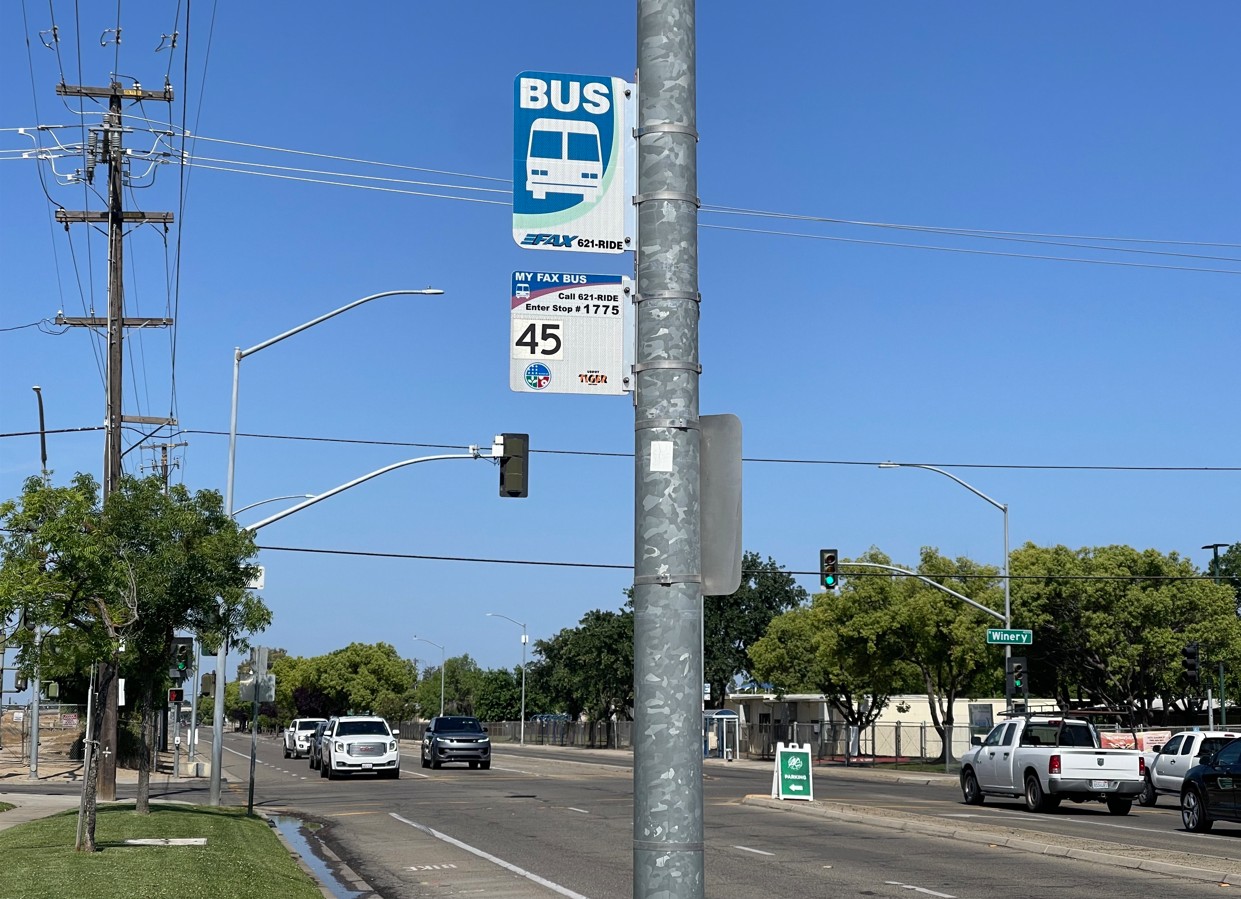
— Developing multi-unit housing in residential zones within half a mile of a bus stop
— Adding multi-unit housing in mixed-use zones within the city’s Infill Priority Area
Ministerial approval is an accelerated process that allows projects to move forward if they meet all the standards in the development code. These standards include zoning requirements such as use, setbacks, height, landscaping, parking, and façade design. In contrast, discretionary approval involves a subjective decision-making process where the approving authority can impose conditions beyond those required by the code.
The proposed changes would support the development of up to 22,425 housing units over the next 30 years. Of those, 4,868 units from office conversions or new housing in office zones would be additions not currently allowed under the municipal code. The remaining units are already permitted under existing zoning but could proceed more quickly under ministerial approval.
The text amendment contains precautionary measures. First, it would protect sensitive areas. For instance, a project wouldn’t qualify for ministerial approval if the site is subject to a Williamson Act contract, is in a flood hazard area, or includes a historic resource. Second, to promote safety and the smooth flow of traffic, new housing on vacant or underutilized parcels in office zones within 500 feet of a school would not be allowed.
The amendment also supports goals in Fresno’s Housing Element, which is part of the city’s general plan. Program 2 of the Housing Element requires high-density housing in high-resource areas — those with higher incomes, top-performing schools, and greater community amenities. It requires capacity for 2,500 high-density housing units in high-resource areas by 2031, starting with 500 units in 2025.
“A text amendment that allows the new residential uses in the office zone district would accomplish this with one action,” city Planning Manager Sophia Pagoulatos said during a May 15 workshop on the proposal. “Without this text amendment, the alternative would be to rezone individual sites within the high-resource areas until the required new capacity is reached. If the city fails to meet the Program 2 deadlines, there could be financial or regulatory consequences.”
City Council members shared differing views on the proposal during Thursday’s hearing.
Councilmember Annalisa Perea emphasized that the amendment contains protections including an appeal period for housing projects.
“There are safeguards in this policy that increase a council member’s ability to have influence over their district,” she said. “The other thing I want to make note of is this is not a free pass type policy; we are not circumventing environmental mitigation requirements. Any housing project still has to go through the zoning ordinance and meet all the development standards.”
However, Councilmember Mike Karbassi remained unconvinced.
“The portion of this entire text amendment I have an issue with is what I call ministerial rezoning,” he said. “It’s changing the use and not coming to the council to do that and trusting a new system – you’re going to have politicians with the resolve to do the right thing. I don’t trust that. I’m sorry. I just don’t.”
A vote is scheduled for the June 12 City Council meeting.
For more updates on Fresno County development and business initiatives, stay connected with the Fresno Chamber of Commerce.