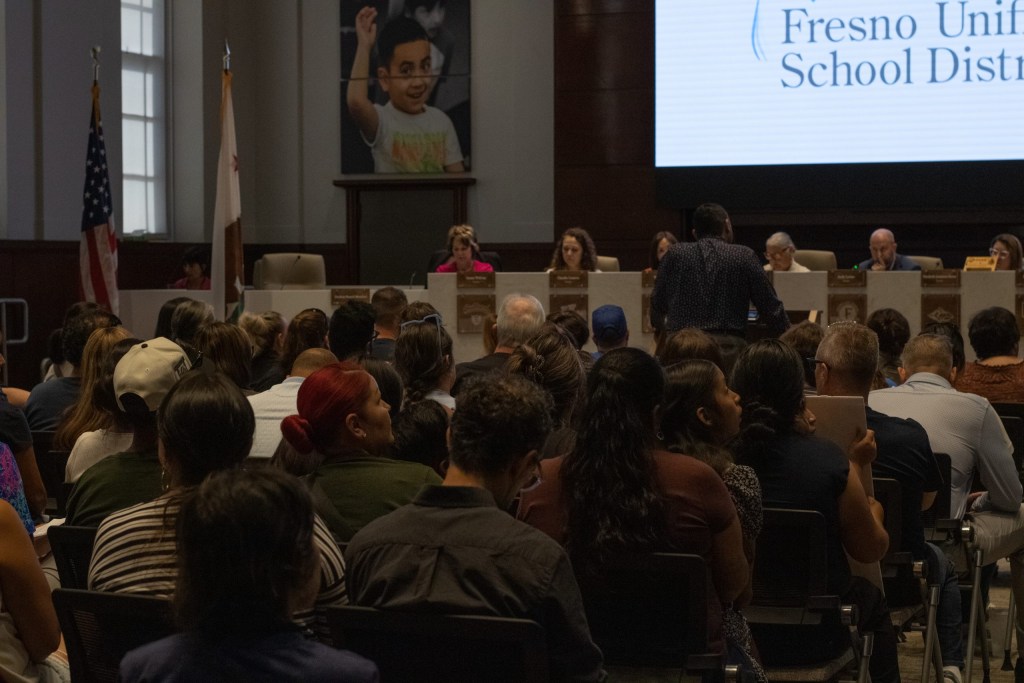
From yet another minimum wage increase to expanded pay transparency, updates to California labor and employment law are sure to impact Golden State employers in 2026. That was the focus of the Fresno Chamber of Commerce’s Small Business University webinar on Jan. 7, where attendees got the rundown on a host of labor law changes that took effect on the first day of the new year.
Ian Wieland, managing partner with employment law specialists Sagaser, Watkins & Wieland PC, combed through a list of those changes and admonished employers to ensure they were compliant and “buttoned up” on the state’s labor code. “You’re either doing it right, or you’re not,” Wieland said.
Wieland began by stressing the importance of having an employee handbook: “If you don’t have one, that’s a major red flag.” An employee handbook is the first thing a plaintiff’s attorney or government agency will ask for in the event of any employment-related legal issues.
For starters, Wieland said, California’s minimum wage is to be set at $16.90 per hour beginning Jan. 1, 2026, though employers should keep in mind that local governments may have set even higher rates. Additionally, the state’s new minimum salary for exempt employees will increase to $70,304.
A few highlights from the webinar include the ban on so-called “stay-or-pay” contracts, prohibiting employers from forcing workers to repay training costs, bonuses, or relocation expenses if they leave early; an addition to the California Worker Adjustment and Retraining (WARN) act, requiring employers to provide more detail in layoff notices, including a contact email and phone number for the local workforce development board and information about CalFresh food assistance and benefits; and provision of a stand-alone “Know Your Rights” notice, which details employees’ workplace and constitutional rights under a host of categories like workers’ compensation, immigration inspections, union organizing, and concerted activity within the context of law enforcement interactions. The latter must be provided by Feb. 1, 2026; the law tasks the state’s labor commissioner with providing a template notice that can be modified for an employer’s workplace.
Additionally, by March 30, 2026, employers must allow employees to designate an emergency contact and notify that contact if the employer has knowledge that the employee is arrested or detained “during the performance of the employee’s job duties,” Wieland said. “This is one hundred percent directed at ICE raids” and California responding to what’s going on at the federal level, he added.
Wieland also discussed Covid-19 recall and reinstatement rights, strengthening pay equity laws, expanded personnel records requirements, paid family leave for a “designated person,” leave time for crime victims and those serving jury duty, expense reimbursement, and amendments to FEHA (the California Fair Employment and Housing Act) regulations regarding the use of AI in employment.
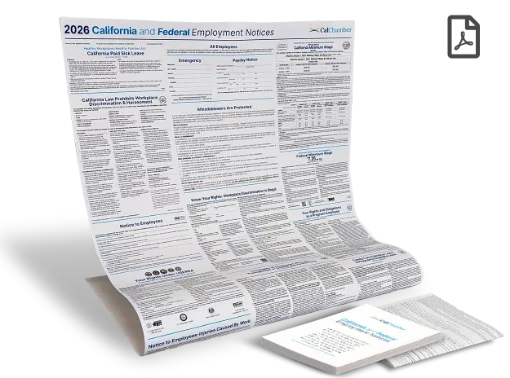
All who attended the webinar will receive a free labor law poster, as required by the state. Order your 2026 labor law posters here.
To view a calendar of events including upcoming webinars, click here.
If you would like to become a member and take advantage of the Chamber’s educational opportunities, networking events, marketing tools, and other resources that can support your business, click here.
For more updates on Fresno County development and business initiatives, stay connected with the Fresno Chamber of Commerce.