California’s New 5% Retention Law
Private construction firms across California are being urged to revisit their contracts following a major shift in payment rules that took effect January 1, 2026. The change caps retention on most private works projects at 5%, aligning them with standards long applied to public construction and effectively ending the traditional 10% retainage practice that has defined the industry for decades.
The reform stems from Senate Bill 61, which created Civil Code Section 8811 and was signed into law by Gov. Gavin Newsom on July 14, 2025. The law is designed to strengthen financial protections for contractors and subcontractors by improving cash flow and reducing the financial strain that often accompanies large-scale projects. By limiting the amount of money that can be withheld, the legislation aims to ease the burden on firms that must continue to cover payroll, materials, and overhead costs while waiting for final payment.
Retention payments have long been a standard feature of construction contracts. Under the traditional model, project owners would withhold up to 10% of each payment owed to contractors, who in turn would apply similar withholdings to subcontractors. This structure provided owners with leverage to ensure that projects were completed on time, defects were corrected, and contractual obligations were fulfilled. However, it also placed significant financial pressure on contractors and subcontractors, who often had to front substantial costs for extended periods.
While the new law is widely seen as a win for contractors, it has raised concerns among developers and project owners. Reducing retention to 5% limits the financial cushion owners rely on to address incomplete or defective work. In response, some may turn to stricter performance and payment bond requirements, particularly for subcontractors, which could introduce additional administrative hurdles and increase project costs. Others worry that the reduced retainage leaves less capital available to remedy deficiencies if issues arise late in a project.
Importantly, the retention cap cannot be waived through contract language. California Civil Code Section 8820 renders any attempt to bypass the 5% limit unenforceable as a matter of public policy. Violations can carry significant consequences, including mandatory attorneys’ fees awarded to the prevailing party in a dispute.
There are, however, limited exceptions to the rule. The cap does not apply to purely residential projects that are not mixed-use and do not exceed four stories. Additionally, a subcontractor may be subject to higher retention if they were notified in writing—before or at the time of bidding—that a performance and payment bond was required and failed to provide one.
As the industry adjusts, Section 8811 represents a significant shift in how risk and cash flow are managed in California’s private construction sector. Owners, contractors, and financing partners alike are being advised to update contract templates, reassess bonding requirements, and plan for the broader financial implications of the new law.
For more updates on Fresno County development and business initiatives, stay connected with the Fresno Chamber of Commerce.
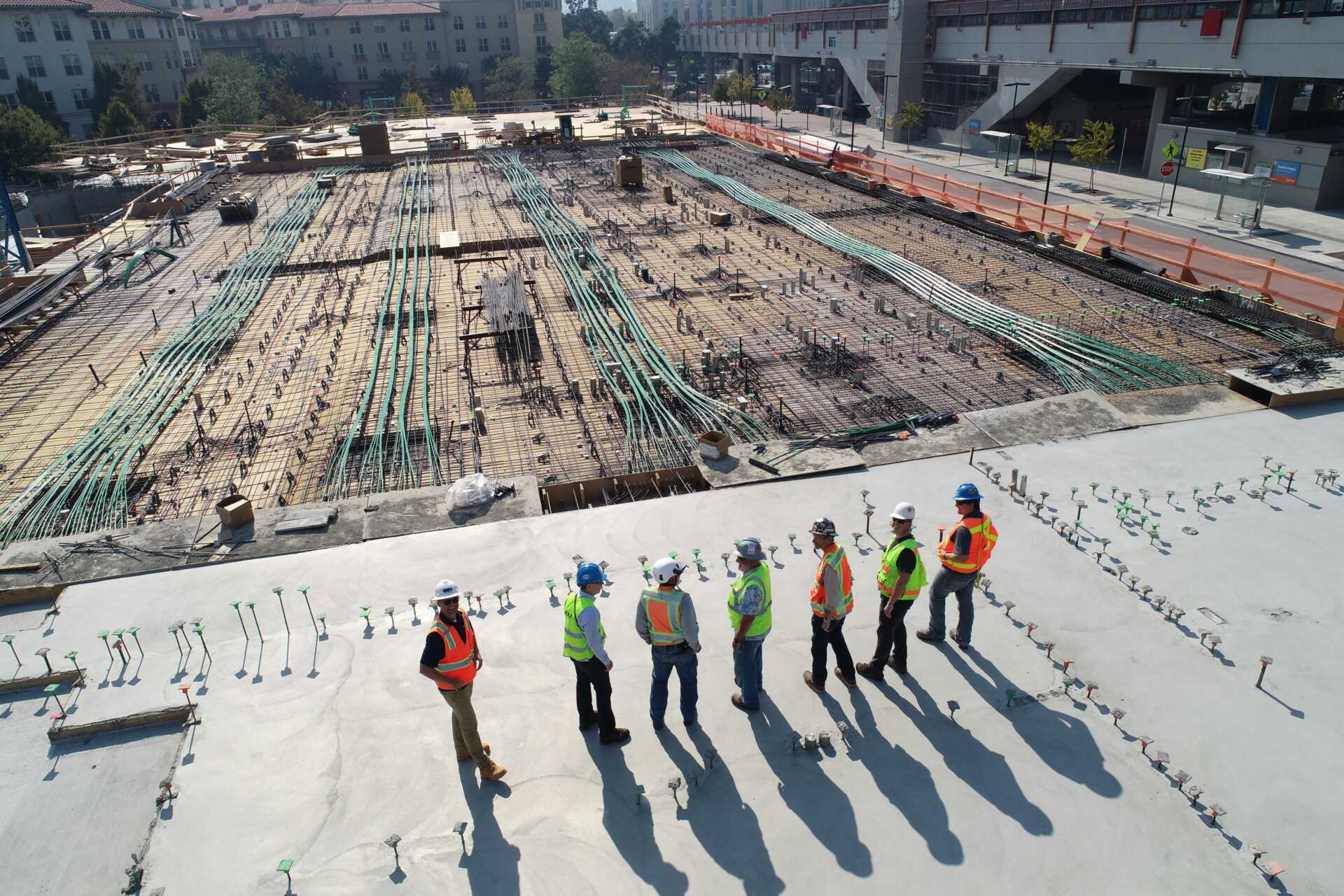
Photo by Scott Blake on Unsplash