FRESNO, Calif. – Situated on the edge of downtown and the outskirts of town, South Central Fresno is the city’s industrial nexus. New regulations stipulated in the South Central Specific Plan (SCSP) aim to downzone major parts of the Industrial Triangle and implement buffer zones. Local business owners are concerned that rezoning will devalue property or force them to downsize their company.
The South Central area encompasses roughly 5600 acres with boundaries located south of California Avenue, east of Martin Luther King Jr. Blvd, north of American Ave, and west of Peach Avenue. In 2018, the California Air Resources Board (CARB) selected South Central Fresno, along with the City of Shafter to receive funding to reduce air pollution. Since 2019, the City of Fresno has asked community members and local businesses to propose plans for the rezoning and buffer zones.
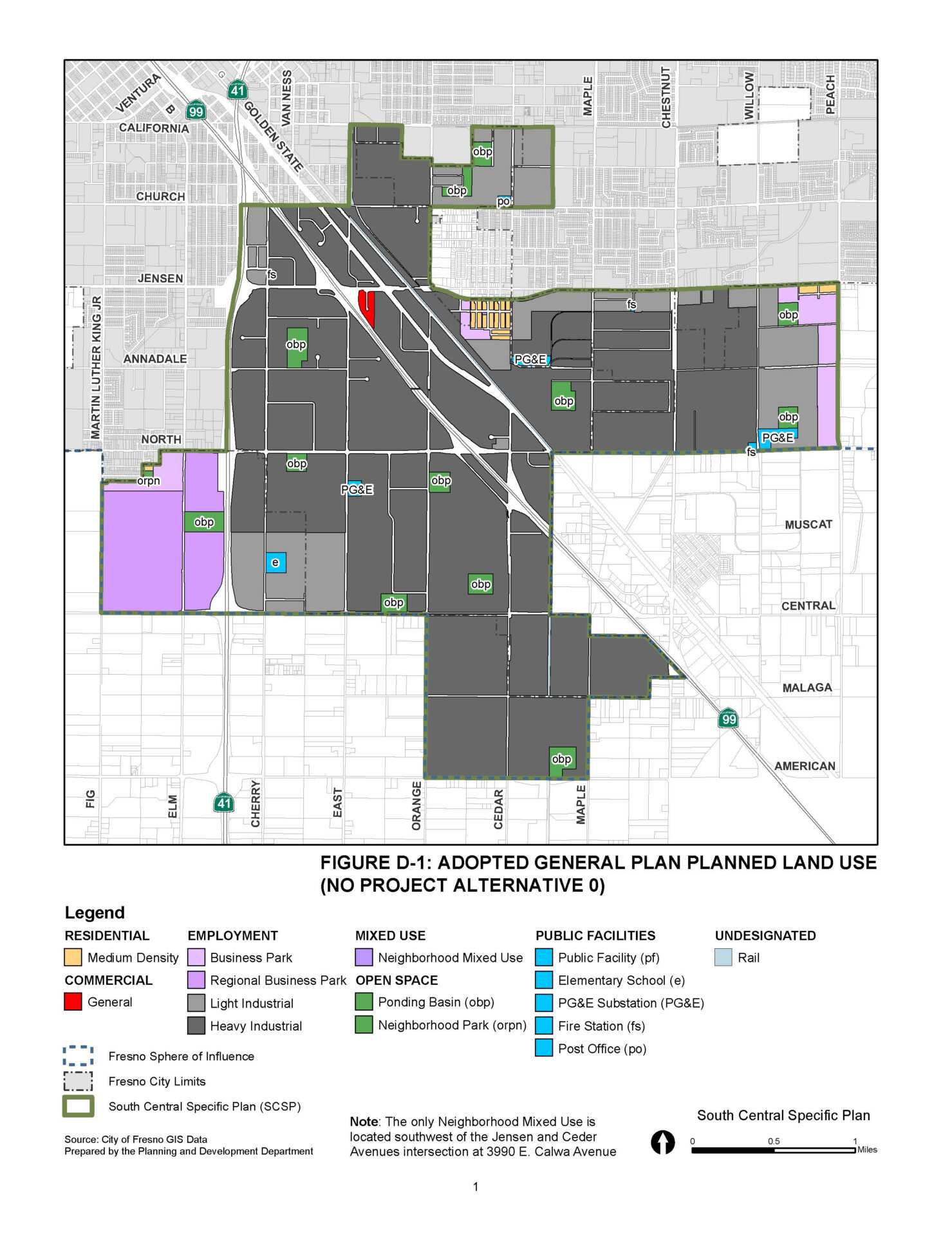
The City of Fresno has adopted the Proposed Blended Plan. The plan would reduce the heavy industrial zoning from 71% of the total land to approximately 54%. The plan also introduces commercial business parks* as buffer zones and rezones undeveloped land for mixed-use spaces, encouraging more residents and diverse businesses to move in.
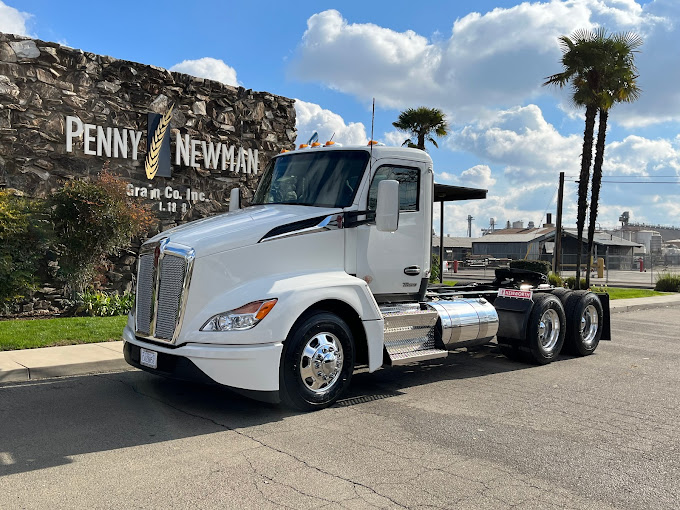
Local businesses, however, are concerned about the downzoning. “We purchased the land in this particular region because of its connection to the railroads and because it was zoned as heavy industry. We would not have purchased it otherwise,” explained Mike Nicoletti, President for Penny Newman Grain Co. The agricultural company was founded in 1879 and is only one of 5 remaining grain companies in California. Commodity Trader Matt Nicoletti states that “the market dictates that we buy 100 car increments of grain. We bought all this space next to the railroad for that reason.”
“People bought land with the expectation that they could build and grow their businesses, and that is now being undermined,” explains John Kinsey, Attorney at Wagner Jones Helsley PC. Kinsey has many clients that would be affected by this change. He adds that, “this industrial triangle has been slated for heavy industrial usage for many years” referencing that since 1918 the intention for this region has historically been reserved for industry. In other development regions, such as the Southwest Fresno Specific Plan, business owners were not notified in advance about the new zoning changes.
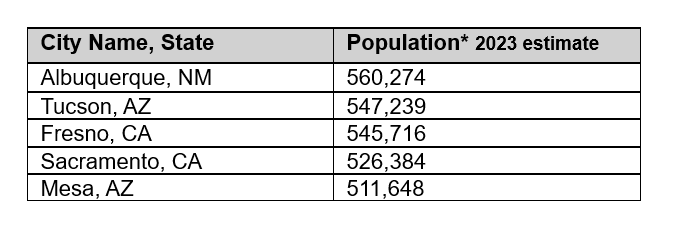
Furthermore, the requirement of buffer zones has been a controversial aspect. CARB’s recommendation statewide has been to install vegetation barriers or setbacks of 1,000 feet between industrial zones and sensitive areas. These sensitive areas include mixed use, residential, or public spaces including schools. So far, this has been adopted by a few jurisdictions in the Inland Empire, such as the County of Riverside, however, no other city in the San Joaquin Valley has adopted this practice. Cities with a similar population to Fresno, including Albuquerque, NM, Mesa and Tucson, AZ, and Sacramento, CA do not have setbacks greater than 110 feet between these zones.
 In addition to CARB’s target of implementing fully zero-emission vehicles (ZEVs) by 2035 puts more pressure on businesses in South Central Fresno. They are required to fully switch to ZEVs for heavy-duty trucks by the end of 2026 and for smaller box trucks by December 31, 2031. Kinsey points out that this is unrealistic, saying, “ZEVs are less efficient as they are not as durable thus creating more damage to roadways and there aren’t even enough ZEVs on the market to accommodate the business demand because they haven’t even been created yet.”
Penny Newman Grain Co. recently invested millions of dollars in diesel power to meet CARB’s requirements to accommodate statewide regulations on transportation with Operations Manager David Meeker expressing, “we don’t have unlimited resources” as a response to hearing the plan for ZEVs in Fresno. Penny Newman Grain Co. provides feed to hundreds of dairies in the Central Valley, is an exclusive supplier to one of California’s largest feedlots and one of the largest suppliers of pet food ingredients in the region. Meeker also adds that adopting the proposed plan could mean delays to intrastate supply chains as firms will be motivated to switch from less efficient electric trucks to the more efficient fossil powered trucks at the state borders.
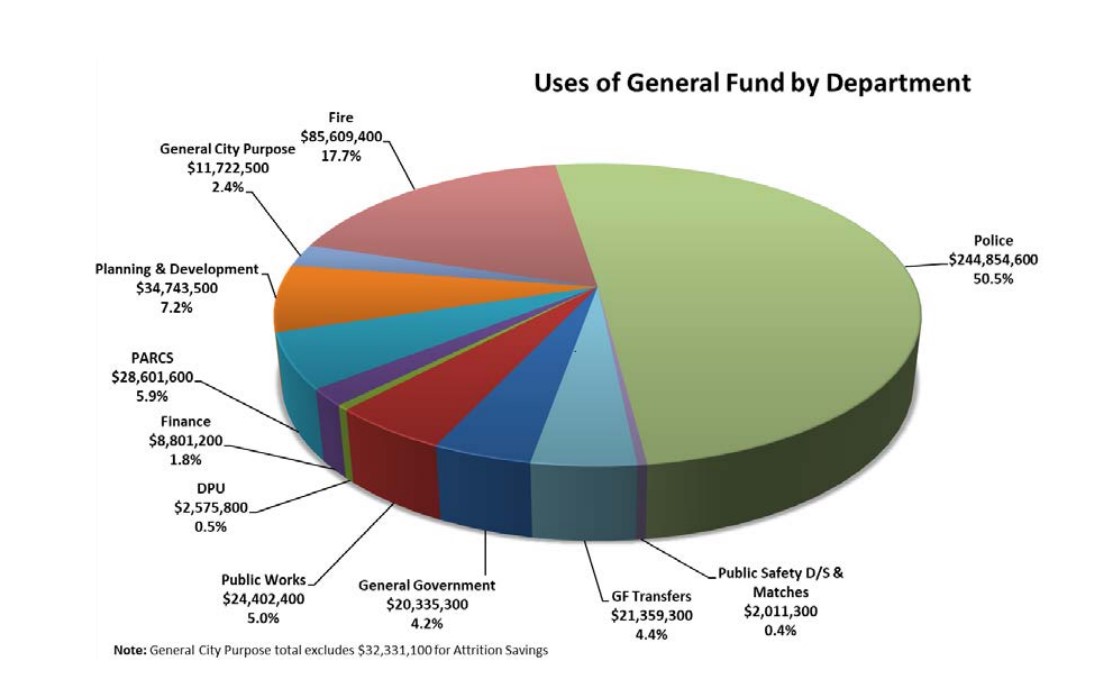
In an economic study highlighted by Invest Fresno, a coalition of community leaders, residents and business owners, the south-central area generates approximately $102.7 million, or about 21% of the tax revenue for Fresno. According to the City of Fresno’s Adopted Budget for 2023, the general fund allocations for the Fire Department, the General City Purpose, and the Public Safety D/S & Matches can be entirely covered by the revenues from the south-central region.
This area is home to approximately 1,836 residents, three educational institutions, five religious institutions, and 440 businesses. These companies employ 22,070 direct, full-time jobs and indirectly it has created roughly 47,000 jobs.
Leadership Counsel recently submitted a comment letter to local leaders on the proposed plan urging for the adoption of AB 617’s recommendations on buffer zones, and emission reduction, yet highlighted a potential increase of traffic as a result of the proposed plan adoption.
Currently, CARB has been focused on ways to reduce pollution. Included in the proposed plan is AB 617’s Community Truck Reroute Study which examines existing truck routes, freeways, and California High Speed Rail. This bill aims to reduce traffic near sensitive zones, reduce idling caused by unsynchronized traffic signals, resurface damaged streets, and implement new sidewalks, bike lanes and crosswalks. Both businesses and environmental groups doubt the feasibility of a truck rerouting plan.
Some of the affected parties have also raised concerns about requirements in the proposed plans that would require fleets to transition to heavy duty electric trucks. Electric trucks are far more expensive than trucks with conventional diesel engines, without much additional benefit. In 2024, new diesel trucks are only 1 to 3% of the emissions of what they were in 1995,” further explains Kinsey. Additionally, since becoming mayor in 2021, Mayor Dyer and the City of Fresno have made strides towards improving green spaces through programs like Beautify Fresno. Fresno even won an Honorable Mention in the 2022 Mayor’s Climate Protection Awards in the large city category.
As of early September, AB 617 has sixteen approved and pre-approved project plans ranging from Public Benefit New Alternative Fuel Vehicle to Railcar Movers/Switchers Replacement. Of these projects, only Commercial Lawn and Garden Program and Railcar Movers/Switchers Replacement have allocated any grant funding towards businesses to improve their sustainability, reserving the majority of funds for public agencies or individuals. Incentives to adopt remain to be seen. Regulations, however, are heavy.
The next discussion of AB 617’s Community Truck Reroute Study will take place at the City Council meeting on September 26th.
* The Business Park designation provides for office/ business parks in campus-like settings that are well suited for large offices or multi-tenant buildings. This designation is intended to accommodate and allow for the expansion of small businesses. Given its proximity to residential uses, only limited outdoor storage will be permitted, while adequate landscaping is imperative to minimize the visual impacts. Typical land uses include research and development, laboratories, administrative and general offices, medical offices and clinics, professional offices, prototype manufacturing, testing, repairing, packaging, and printing. No free-standing retail is permitted, except for small uses serving businesses and employees.
** The Regional Business Park designation is intended for large or campus-like office and technology development that includes office, research and development, manufacturing, and other large-scale, professional uses, with limited and properly screened outdoor storage. Permitted uses include incubator research facilities, prototype manufacturing, testing, repairing, packaging, and printing, as well as offices and research facilities. Small-scale retail and service uses serving local employees and visitors are permitted as secondary uses.
More information on the zoning please see Table 4-3: General Plan Land Use Designations of the Draft South Central Specific Plan