The Maddy Institute hosted its third annual Agricultural Policy Summit, bringing together industry, academic, and political leaders, all focused on California agriculture’s transition from fossil fuels to renewable energy.
“We recognize that this transition is happening,” said Blake Zante, Executive Director of The Maddy Institute. “This is something that California has set targets on going forward, so how do we make sure that the San Joaquin Valley has a seat at the table, and not on the menu, going forward.”
The summit was held at the Lynda and Stewart Resnick Student Union on the Fresno State campus.
Opening remarks came from Connie Conway, the State Executive Director of the U.S. Department of Agriculture’s Farm Service Agency.
“We are at a serious crossroads here,” Conway said.
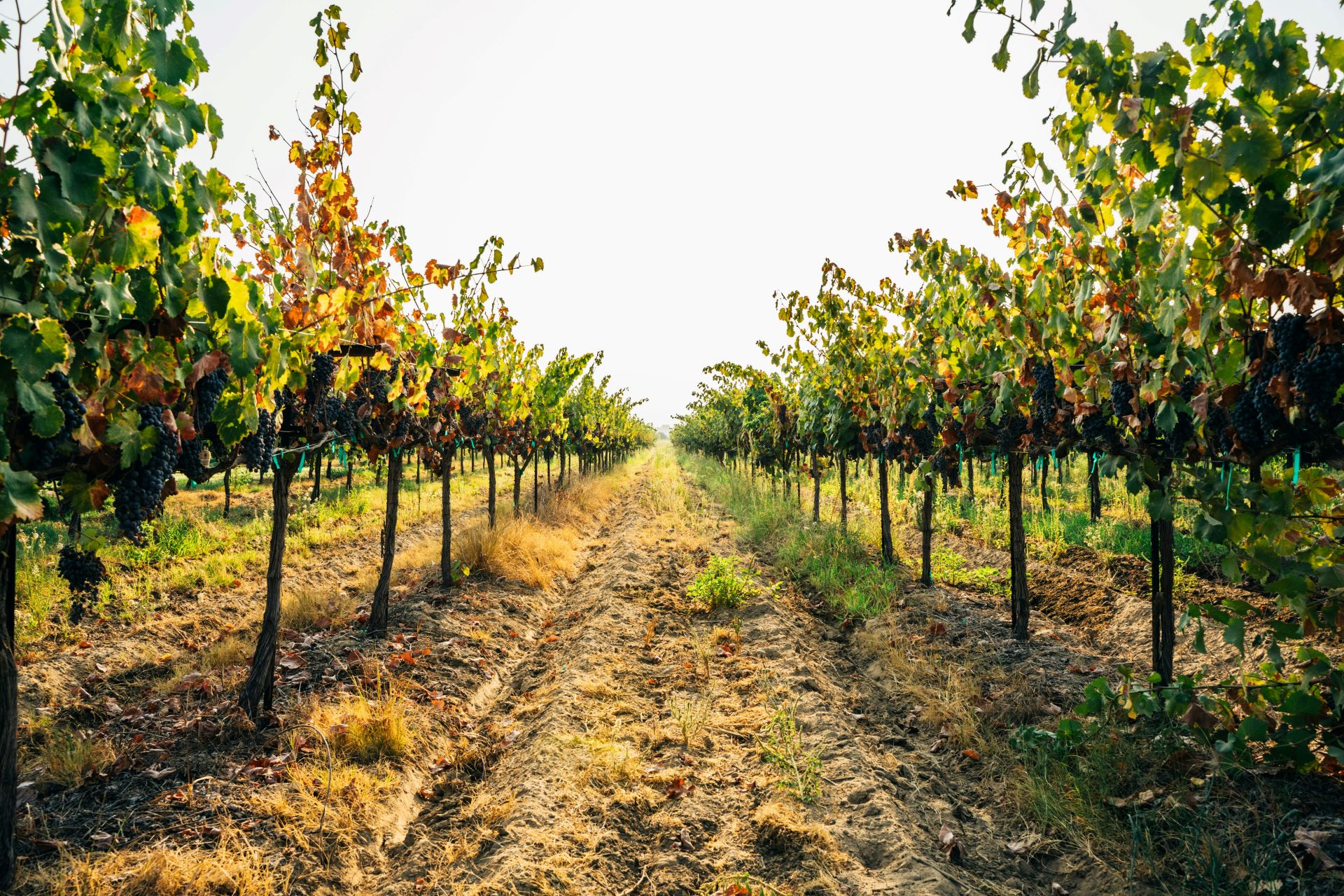
Conway referenced Harrison Co.’s 2021 “100-mile circle” report, in which Fresno, at the center of the circle, produces nearly 50% of U.S. fruits, nuts, and vegetables and over 250 crops on less than 1% of the nation’s land.
“This region is not just productive, it is strategic, but it is increasingly vulnerable to drought, to groundwater restrictions, to infrastructure gaps and rising energy costs,” Conway said.
However, the 100-mile circle’s biggest threat, according to the report, is legislative indifference.
The question, Conway said, is not whether this 100-mile circle matters, but whether our water and power policies reflect that reality.
“Energy touches every stage of farming, from planting to shipping, but California agriculture is unique. In most states, farm energy is primarily diesel for tractors. In California, agriculture energy is dominated by water movement. When we are talking energy policy, we are actually talking water policy,” she said.
The event also featured three panel discussions, on the landscape of fossil fuels in the San Joaquin Valley, on how farmers should be prepared to adapt to new technologies, and on the current work being done in renewable energy. Panelists represented “a diverse set of voices” that helped “paint a picture of what this future looks like in the San Joaquin Valley,” Zante said.
One panelist, Brad Williams of Californians for Energy Independence, said the question is how to go from 400 metric tons of emissions down to close to zero.
“How is California going to be affected by that?” he asked.
Williams said that energy transition planning is “incredibly aggressive,” and that we’re at the point in California where “it’s getting real.”
While oil production in California has been decreasing, the phase up to renewable energy is still lagging. Williams said that decarbonizing certain sectors of the economy, primarily trucking, is the next necessary, albeit expensive, step.
“We’re on the front end of the decarbonization activities that will help us meet our goals,” he said.
The summit concluded with remarks from Karen Ross, Secretary of the California Department of Food and Agriculture, who called for “forward-leaning,” across-the-aisle-type collaboration.
“When we think about land use and the opportunities for energy, are we willing to work together across county lines to really think collectively for this whole valley?” she asked. “Let’s all think about how we can bring our voices together.”
Agriculture, Ross said, is still the driver of the San Joaquin Valley’s economy and it cannot be duplicated in other places. “It is not only a part of our economy, it is part of our culture,” she said.
Zante closed with a similar call to action. “The future of agriculture is not just someone else’s responsibility, it’s everyone’s in this room, working together,” he said.
The summit, entitled, “California’s Energy Transition: How will it Impact California Agriculture?” can be viewed in its entirety on The Maddy Institute’s YouTube channel.
For more updates on Fresno County development and business initiatives, stay connected with the Fresno Chamber of Commerce.