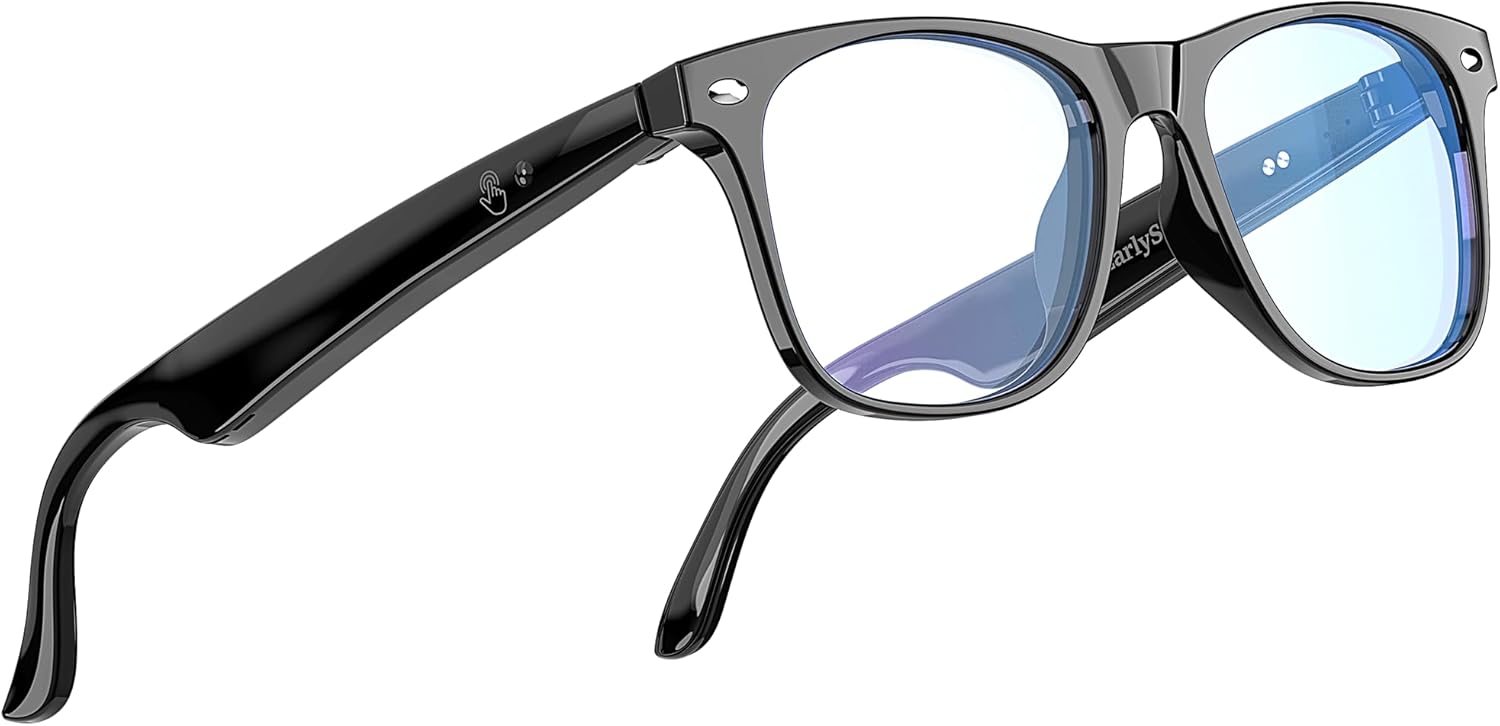
Recently thought of as only niche accessories, AI smart glasses are now everyday, stylish wearables. The technology has dramatically improved just within the last year, and the market has exploded; global shipments in 2026 are expected to reach 10 million units. It’s no surprise, then, that we’re starting to see AI smart glasses in the workplace more frequently, a trend that raises compliance issues around “privacy, recording, disability accommodation and policy gaps many employers don’t realize they have yet,” according to the California Chamber of Commerce.
In a recent episode of The Workplace, CalChamber employment law expert Sharon Novak said she has fielded a high number of calls from employers concerned about wearable technology in the office, specifically AI smart glasses.
In one instance, an employee came to work with prescription smart glasses, and a worker sharing space with him “felt his privacy rights were being invaded,” Novak said.
Legal Issues
Privacy is among a few legal issues surrounding smart glasses, especially in California where stringent privacy laws, including the California Consumer Privacy Act (CCPA), require employers to protect employee’s personal information.
California is a two-party state for audio recordings, which means all parties to a conversation need to consent to that recording.
“If an employee is wearing smart glasses and is recording another employee without their consent, that can lead to a criminal violation and employees need to be aware of that issue,” Novak said.
There is a critical constraint, however, on an employer’s authority to regulate an employee’s ability to record. Under the National Labor Relations Act, an employer cannot issue a complete, blanket prohibition against recording in the workplace.
“This is because employees enjoy the right to engage in concerted activity to improve working conditions,” Novak said.
Importantly, Novak said, the NLRA has permitted surreptitious recordings despite employer prohibitions in three different areas:
- The employee is recording unlawful conduct in the workplace such as harassment, discrimination, or workplace safety violations.
- The recording is part of a campaign to address or publicize working conditions.
- The recording concerns conversations about terms and conditions of employment.
“Employers have to be very careful on those issues,” Novak said.
However, employers generally can have rules that protect strong privacy interests in their confidential information or trade secrets, and they can also regulate recording that doesn’t appear to be protected by the concerted activity exception.
Another concern of employers is corporate surveillance. The ability to record video, take pictures, and live stream without drawing attention makes it easy to steal trade secrets and intellectual property, or capture confidential meetings, if one were so inclined.
“Employees or visitors could use [smart glasses] to effortlessly scan documents, whiteboards, or prototypes without permission,” writes employment law attorney and Fox Rothschild partner Sahara Pynes. “The glasses can be programmed with AI-powered text recognition (OCR) to analyze and store information from screens, ID badges, or secure locations without manual recording.”
Employers should also be concerned about employee engagement. While wearing smart glasses, there is a risk of distraction, according to Pynes, that could impact not only productivity but safety, especially when “operating heavy machinery or performing tasks that require undivided attention.”
Practical Tips
Moving forward, employers first need to be aware that smart glasses exist and will soon, if they aren’t already, be within their workspace. Novak said she has spoken to a number of employers who weren’t aware what the technology is capable of.
Next, employers need to update their current policies, says Diane Coderniz, an employment law specialist at Fresno’s Baker, Manock & Jensen. Because there are no specific rules currently about wearable technology, it’s best to default to existing rules for things like cell phones and social media use and how they might fit with the new tech.
“They could expand their current policies to include wearable technology,” said Coderniz, “or they could have a standalone wearable technology provision they add to their handbook.”
Those policies must align with California privacy laws, and employers need to be cognizant of protections their employees have, “if there is a need for the wearable technology, perhaps for their own biometric data,” Coderniz said, or an exception for a disability or even religious accommodation.
Prescription smart glasses are the most likely to fall under the disability category, said Novak. “Eyesight problems that need correction through glasses may be recognized as a disability under the law,” she said, “because poor eyesight is a physical condition that impacts major life activities such as working.”
Employers must further provide employee training on any new policy, explaining in advance why it’s in place so employees know before they go get those prescription smart glasses that there may be an issue with wearing them at work.
“Explain why you have the policy, because these glasses can cause a lot of distractions,” said Novak. “The person isn’t going to be fully engaged in what they are doing, and also they make other employees worried about invasion of privacy.”
Finally, Novak recommends working with legal counsel to address any novel concerns in the workplace and develop policies.
“They’re going to be aware of how the law is developing and what would be best with regard to a policy that’s regulating smart glasses without running into any problems with NLRA,” she said.
For more updates on Fresno County development and business initiatives, stay connected with the Fresno Chamber of Commerce.