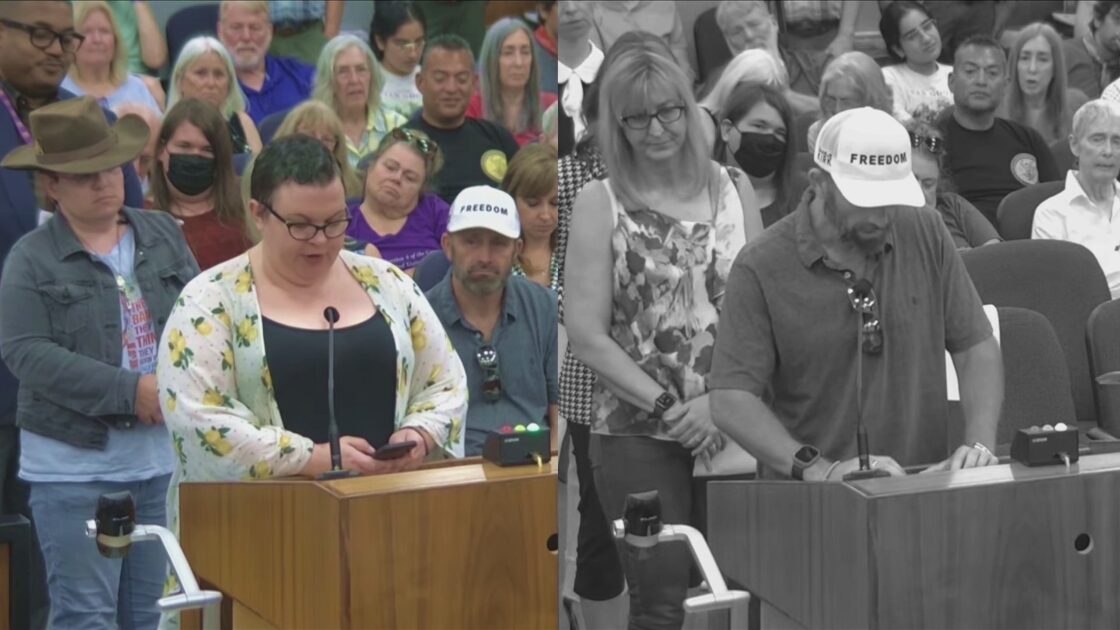
FRESNO, Calif. – On November 20, 2024, the Fresno Planning Commission unanimously voted to reject the proposed South Central Specific Plan following intense public scrutiny. The plan faced opposition from both local business owners and environmental activists, with no supporters speaking in its favor during the meeting. Voices from across the local political spectrum are urging the Fresno City Council to reconsider the proposal ahead of the vote on Thursday, December 5.
Business owners raised concerns about the plan’s restrictive measures, including 1,000-foot setbacks, downzoning, and challenging permit requirements, which they argued would stifle their growth and limit operations. Environmental groups, on the other hand, criticized the city for failing to address persistent air quality issues and truck routes in South Central Fresno, one of California’s most polluted areas.
The rejection highlights ongoing tensions between the city’s economic development priorities and environmental goals.
For more background on the proposed South Central Fresno rezoning and its potential impact, read our earlier article here to watch the Planning Commission meeting, click here.
Business and Property Concerns
“For manufacturers and industrial users alike, the proposed South Central Specific Plan will only add to the challenges, casting a cloud of uncertainty over critical projects,” said William Oliver, CEO of the Fresno Economic Development Corporation, and board member of the Fresno Chamber of Commerce. “This is before we even consider the impact of new state laws, such as AB 98. As mentioned earlier, the developments within the South Central plan, coupled with AB 98, could have significant consequences, especially if both are enacted together.”
Heather Mooney, a property owner in South Central Fresno, expressed concerns about the proposed rezoning, which would significantly impact her family’s land. Her family has owned the property for 60 years, initially zoned for heavy industrial use. Mooney stated, “We’ve paid much higher taxes for decades, waiting for infrastructure improvements, only to find out that this plan will severely devalue our land.”
The rezoning would reduce heavy industrial zoning from 65% to 26%, potentially causing substantial financial loss for landowners in the area. Mooney urged the Planning Commission not to approve the plan, citing its harmful impact on property values and future development.
Greg Obloy, from Crown Enterprises, strongly objected to the proposed South Central Fresno Specific Plan, expressing concerns about its potential impact on his 15-acre site. His company had previously operated a freight terminal at this location until 2015, when the land was taken through eminent domain for the high-speed rail project. Following this, Obloy worked with the city to secure a new permanent site and invested $2.3 million in its development.
However, he recently learned of the rezoning proposal, leaving him frustrated and uncertain about the future of his business. As Obloy explained, “We spent $2,000,000 and $330,000 in soft costs, and now we’re very disappointed with how this plan conflicts with our business. The expectation was that we would continue to use this property as intended, and now we’re left with uncertainty.”
Broader Economic Impacts on Fresno: Risks to Growth and Job Creation
Critics argue the plan risks eliminating up to 50% of industrial operations in the area, stifling economic growth and job creation. South Central Fresno, which accounts for 7.5% of the city’s land, is home to over 440 businesses, providing 22,000 local jobs and generating $13 billion in economic activity annually.
“This plan jeopardizes the economic engine of Fresno,” said Ben Granholm of Invest Fresno. “Downzoning and restrictive requirements will drive investment out of the city while other regions offer more favorable conditions.”
Ethan Smith, Senior Vice President of Newmark Pearson Commercial, emphasized the drawbacks of downzoning to investors. He added that “downzoning will have a tremendously negative impact on the profitability of existing properties. Property owners were promised that they could use their land as originally intended, but these new regulations undermine that investment.”
Mark Ford, CEO of JD Food, recounted how Fresno’s leaders once approached him and championed the region as a hub for food processing and industrial growth. “In 2014, we invested $15 million in a new facility, believing in Fresno’s potential. This plan undermines those efforts,” Ford said, noting that his business supports local employment and community initiatives.
Restrictive Policies: Effects on Business Growth
Luke Risner of Precision Civil Engineering highlighted the problematic nature of the plan’s so-called “grandfathered” provisions, which fail to offer real protection for existing businesses.
For instance, under the proposed regulations:
- If a business ceases operations for more than 90 days, it loses the ability to reopen under its previous zoning.
- Any expansions or modifications would require costly and time-consuming conditional use permits, discouraging growth and innovation.
Such policies are seen as unsustainable for many businesses, particularly those with slim margins or complex operational needs.
“The proposed plan significantly reduces usable heavy industrial acreage on our property, undermining long-term business plans and investments,” said Susan Gladding from Fowler Packing, a fourth-generation, family-owned farming operation established in 1950.
Gladding emphasized that the 1,000-foot buffers and downzoning measures introduced in the plan would render nearly half of their 97-acre property south of Central Avenue unusable for industrial development.
“These restrictions impose prohibitive costs and limit future opportunities for growth, ultimately harming the economic vitality of South Fresno,” she added.
The Impact of AB 98 on South Central Fresno
AB 98, signed on September 29, 2024, restricts truck emissions and may add buffer zones and truck routes. These rules take effect January 1, 2026. The South Central Specific Plan aims for zero-emission vehicles by December 31, 2026, well before the California Air Resources Board’s (CARB) 2035 deadline.
While the plan seeks to improve air quality, critics question its sufficiency. Others doubt its feasibility, noting heavy-duty electric trucks are still emerging and may not yet meet industry needs.
Calls for Collaboration of Fresno Leaders
Stakeholders, including Mike Betts of The Betts Company and Brandon Craighead of Penny Newman Grain Company, one of Fresno’s oldest companies, called for a more balanced approach. “Fresno must collaborate with businesses to ensure growth while meeting sustainability goals,” Betts said.
Nonprofits also expressed concerns. The Central California Food Bank, serving 310,000 individuals monthly, has voiced concerns about proposed mandates for electric vehicle (EV) fleets. Public Policy and Advocacy Manager McKay Duran highlighted the potential operational challenges, stating, “We’re committed to sustainability but need practical solutions that don’t jeopardize critical operations.”
Dirk Poeschel, a zoning expert, and owner of Dirk Poeschel Land Development emphasized the importance of preserving Fresno’s industrial competitiveness. “When cities impose excessive restrictions, businesses will look elsewhere,” Poeschel said. “Fresno must prioritize policies that encourage investment and economic vitality.”
The Path Forward for South Central Fresno
As South Central Fresno moves forward with its plans to address both economic growth and environmental concerns, it’s clear that striking the right balance will be key.
As the December 5 vote on the South Central Specific Plan approaches, the future of the proposal remains uncertain. However, industry leaders, property owners, and local businesses emphasize the importance of being included in shaping the future development of this critical Fresno region.